
A Guide to Baseball and Softball Field Construction
- Jul 22, 2021
- 5 min read
Visiting a ball field sets you up for an experience like no other. If you're responsible for creating an outdoor baseball or softball field, it's important to plan out your project accordingly. To help you get started, we've created a general guide to how to build a baseball field.
Things to Consider When Planning Baseball and Softball Field Construction
Before you can begin designing an outdoor ball field, it's important to take a step back and assess your requirements for spectators, coaches and athletes. Baseball and softball fields look different based on their purpose and location. Some of the top considerations for your project are as follows.
1. Safety of Players and Spectators
Baseball and softball field construction calls for you to think about how players and spectators will move about the facility. From an athlete's standpoint, the eye is always focused on the ball. Creating level surfaces and padded barriers will help players keep their heads in the game. While professional ball fields are required to have padding, it's not mandatory for college stadiums. Placing durable pads along fences, dugouts and surfaces behind home plate can protect athletes from injury.
Spectators can typically sit toward the outfield, behind the batter or along foul lines during a game. Baseline fencing will help to protect attendees from getting hit by a wild pitch or foul ball. You can improve the spectator experience by investing in mesh fencing for visibility.
2. Uses for the Ball Field
The dimensions of baseball and softball fields change based on application.
If you're creating a baseball field, keep the following measurements in mind:
Tee-ball: Bases are positioned 50 feet apart. There are no homerun wall requirements for a tee-ball field.
Little League baseball: There should be 46 feet between the pitching rubber and the home plate. Place bases 60 feet from each other.
High school and college baseball: A regulation baseball field will have the bases spread 90 feet apart. The distance between home plate and the pitching rubber should be exactly 60 feet and 6 inches.
Consider these dimensions for softball field construction:
Youth softball (ages 10 and below): Ensure each base is 55 feet from the next. Leave 35 feet between the pitching platform and home.
High school and college softball: Regulation dimensions have baselines measuring 60 feet. Keep 43 feet of space between the pitching rubber and home plate.
3. How Many Acres is a Baseball Field?
A regulation baseball field with a 90-foot base layout requires about 4.5 acres of land on average. Additional space beyond the playing field itself is also needed for parking and amenities like food stands, so factoring in those needs will increase your total land requirements.
How Many Acres is a Softball Field?
A softball field with a 60-foot baseline requires a minimum of 1.5 acres for the playing area alone. Additional space is necessary for parking and any food stands or spectator areas, so your total land requirement will likely exceed that minimum depending on the facility's scope.
4. Seating Arrangements
Think about how many spectators you intend to seat when creating a baseball or softball field. Additional space is necessary for parking and any food stands.
5. Water Drainage
All baseball and softball fields fall under a native soil, modified native soil, sand-based or synthetic turf design. Grading down surfaces is necessary to ensure the playing field is flat. In some cases, professional builders will construct baseball and softball fields on top of sand and gravel layers to promote drainage after inclement weather.
6. Access to Experts
Field consultants and professional installers can guide you through the baseball field construction process. It's a good idea to hire a qualified surveyor. You'll also need someone to perform a soil analysis to determine whether you should treat or replace the native topsoils for drainage purposes.
Equipment and Materials Needed to Create a Ball Field
During the budgeting process, be sure to account for equipment and materials needed to host a game and maintain playing surfaces. Some of the items on this list are more expensive than others, but all are essential for the upcoming season:
Bleachers: Evaluate seating requirements and be sure to purchase enough installations for friends, family and local fans. Make a point to account for the traveling team, too.
Bases: No baseball or softball field is complete without bases. These can be reused, and you should store them in an enclosed area.
Fencing: Baseball fences offer a way to enclose the playing area and keep players and spectators safe.
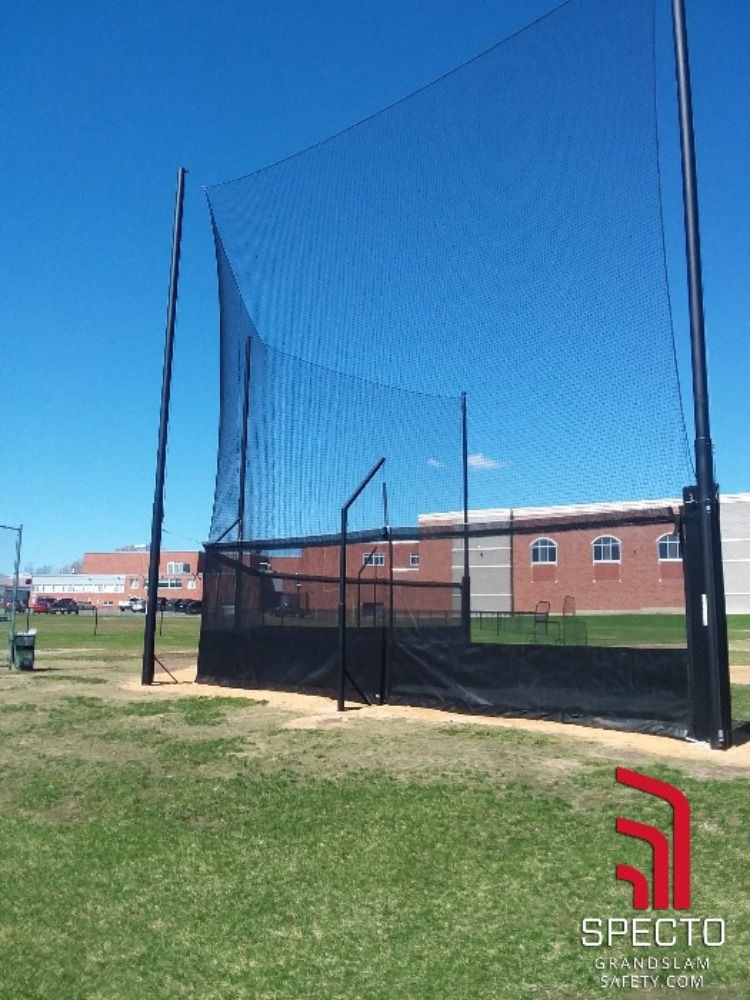
Netting: Incorporating baseball or softball netting is a great way to create indoor practice facilities near your ballpark.
Dugouts: Extra padding and materials will be necessary to build dugouts for the home and traveling teams.
Field maintenance equipment: Protective tarps, rakes, carts and drag mats will help you keep your field in top condition.
How Much to Build a Softball or Baseball Field?
You can expect to spend anywhere from a few hundred dollars if you're repairing an existing field to tens of thousands of dollars if you're starting from scratch. Your baseball or softball field project will range in price depending on your intended purpose. Although your average costs included when constructing a ballfield may vary, setting a budget for your project long before construction begins is the best way to bring your vision to life with fewer risks.
There are ways you can cut costs when constructing a baseball or softball field. Consider how often teams will be using the ball field to determine which features are appropriate for your applications. For example, opting for real grass versus artificial turf is one way you can reduce the total price. While real grass calls for routine seeding and upkeep, it's less expensive upfront.
You can also lower the costs of building a baseball or softball field by purchasing portable fencing. Affordable outdoor fencing options enable you to change the layout of the park to meet the standards of youth, high school and college games.
Frequently Asked Questions
How much land do you need for a baseball field?
A regulation baseball field with 90-foot base paths requires about 4.5 acres. Smaller youth fields with shorter base paths need less land. You'll also need additional space for parking, seating, and any food or concession areas, so plan your total site to exceed the field footprint alone.
What equipment do you need to build a baseball field?
Building a baseball field requires bleachers, bases, fencing, netting, dugouts and field maintenance equipment like tarps, rakes, drag mats and carts. Budgeting for both the initial purchase and ongoing maintenance of these items before construction begins is the best way to avoid cost surprises.
Purchase Baseball and Softball Fencing From Grand Slam Safety
Grand Slam Safety is your source for custom solutions for all of your sporting needs. We have durable fencing products that work to keep spectators and athletes safe during the biggest games of the season. Save money during the design and installation stages of your construction project by browsing our removable baseball fencing sections online. We also offer softball fencing products to help you phase out chain link installations.
If you have any questions about creating a baseball or softball field, we're here to help. Contact us online to learn more about our offerings.


Điều mình muốn xem khi khảo sát ko 66 là liệu người mới có dễ tiếp cận hay không. Sau khi quan sát, thể thao, casino, slot và bắn cá đều được bố trí theo từng nhóm rõ ràng nên việc làm quen không quá mất thời gian. Live Chat luôn hiển thị để hỗ trợ nhanh nếu cần. Theo góc nhìn của mình, hệ sinh thái được xây dựng theo hướng khá trực quan và dễ theo dõi.
I've been comparing real voice recordings with AI-generated ones over the past few weeks.
Honestly, some of them are nearly impossible to distinguish without looking more closely at the audio patterns.
I put together a small tool while experimenting with this:
https://voiceaichecker.com/
Would be interested to know how often people can correctly guess whether a clip is human or AI.
Water bills have gotten ridiculous where I live, so I've been looking into drought-tolerant lawn options lately.
This site has some helpful breakdowns of grass types for dry climates:
https://droughttolerantgrassseed.com/
Worth a look if you're trying to use less water but still keep a decent lawn.
I keep seeing the harvard referencing guide 2026 mentioned in different places and every time I go through it, I notice I missed something small before. It’s not exactly hard but it’s also not something you can just memorize once and forget. Rapid Assignment Help was mentioned in a discussion I read, where they were talking about referencing updates and how harvard referencing guide 2026 is being followed in slightly updated formats depending on the source. I’m not sure how much actually changed though because every example looks a bit different. Sometimes I feel like the rules are simple but the application depends on context more than anything else. Still figuring it out step by step, and I guess repeated…
This was a very helpful read! I never realized how useful a wall qiuqiu99 could be until I came across your post. It’s perfect for creating extra workspace without taking up floor area. Really appreciate the clear and practical insights. Thanks a lot!